The Grip
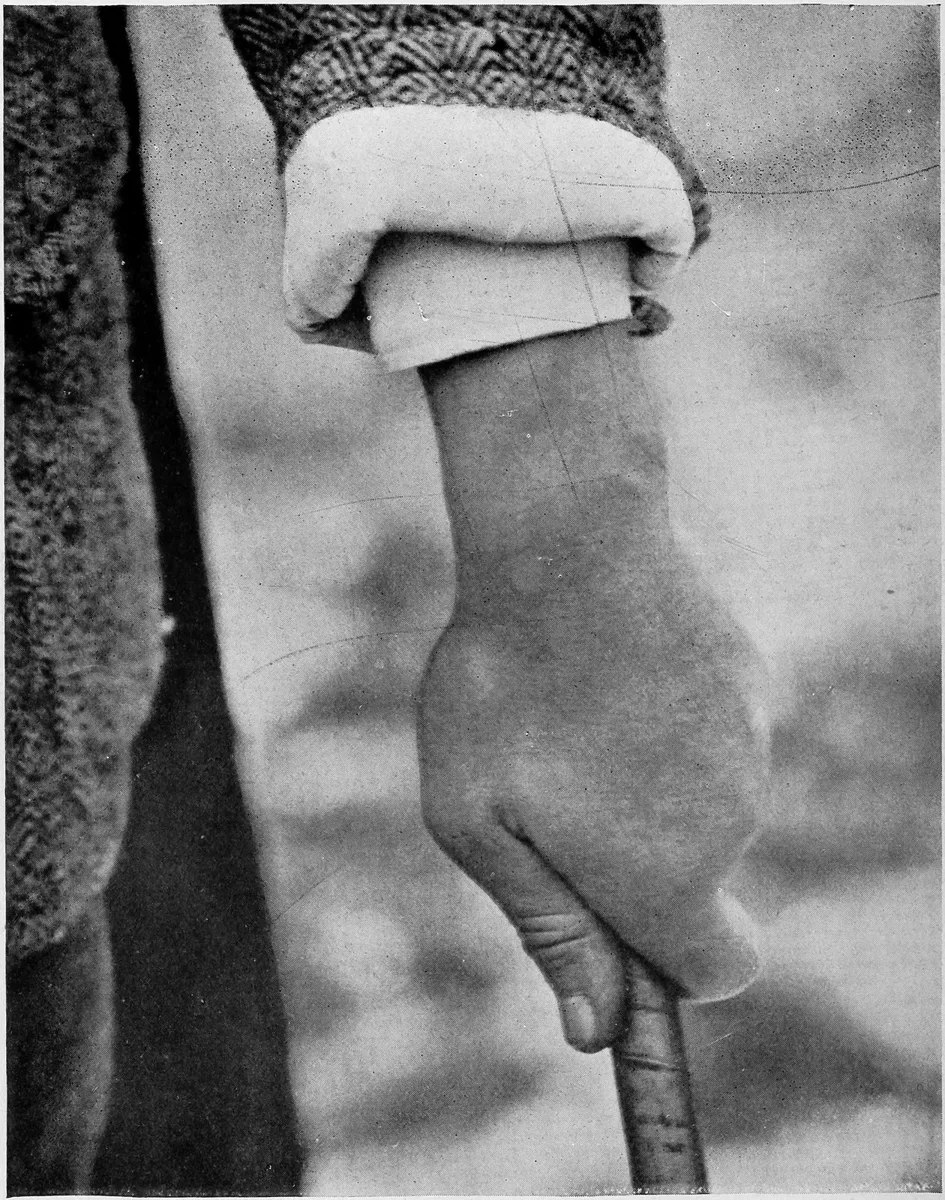
The only part of you that touches the club. Five decisions, illustrated by the man the overlap grip is named after.
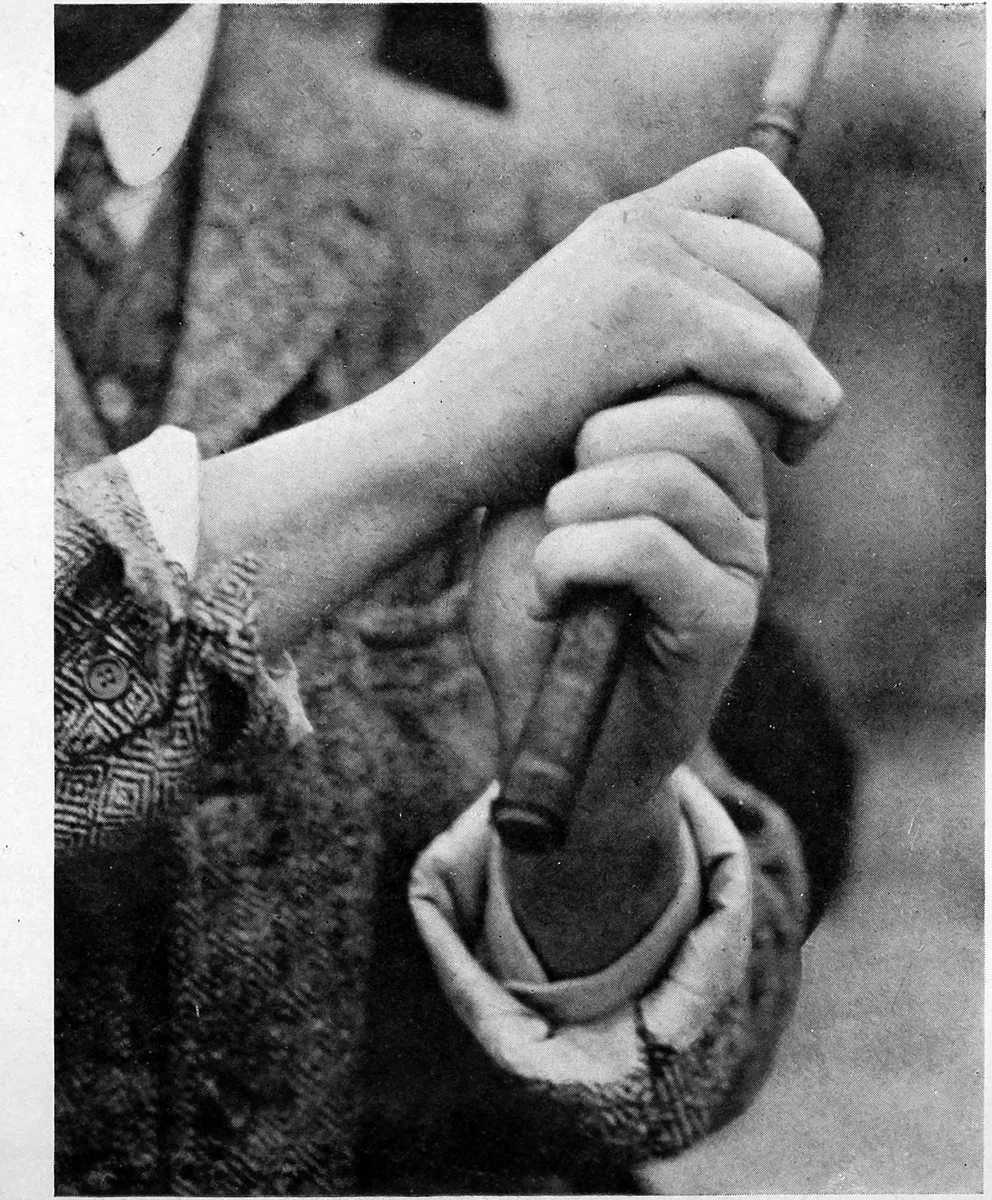
1How the hands connect: overlap, interlock, ten-finger
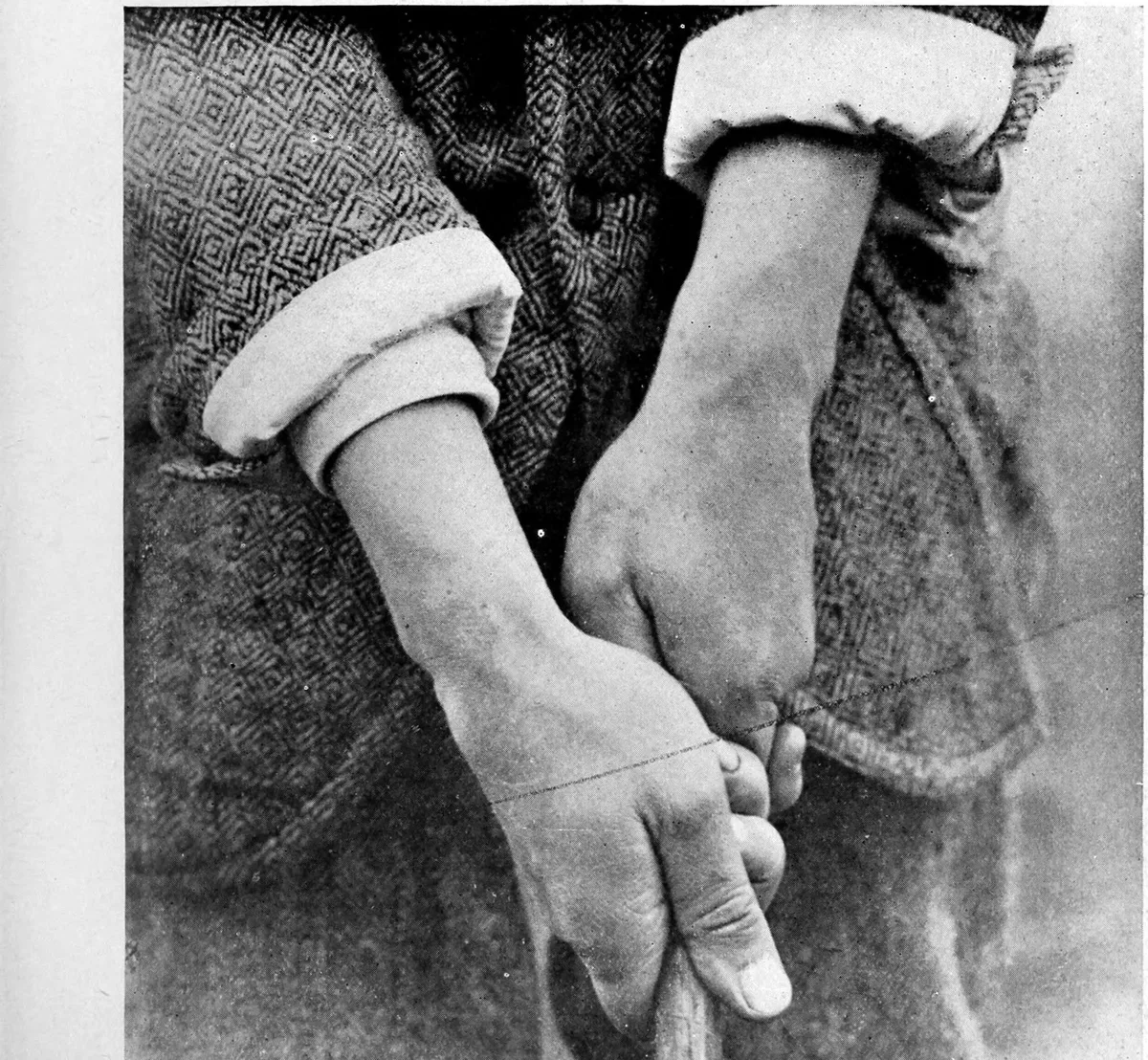
Three options, and tour players use all three. The overlap (the Vardon grip, after the man in these photographs) rests the trail pinky on top of the lead index finger. The interlock hooks them together. The ten-finger, or baseball grip, keeps every finger on the club.
Overlap: the hands feel unified and the wrists stay free. The knock is that small hands can feel like the trail hand is hanging on by a pinky.
Interlock: locks the hands into one unit that will not come apart under speed. Jam it too deep and it pulls the club into the palms, and some players get pinky pain.
Ten-finger: maximum trail-hand leverage, kind to arthritic or small hands, and the easiest for juniors. The risk is that the two hands start working against each other and the trail hand takes over.
The honest test: ten balls with each. Not to pick a winner. To notice which one makes the trail hand disappear. That is yours.
2Strong, neutral, weak
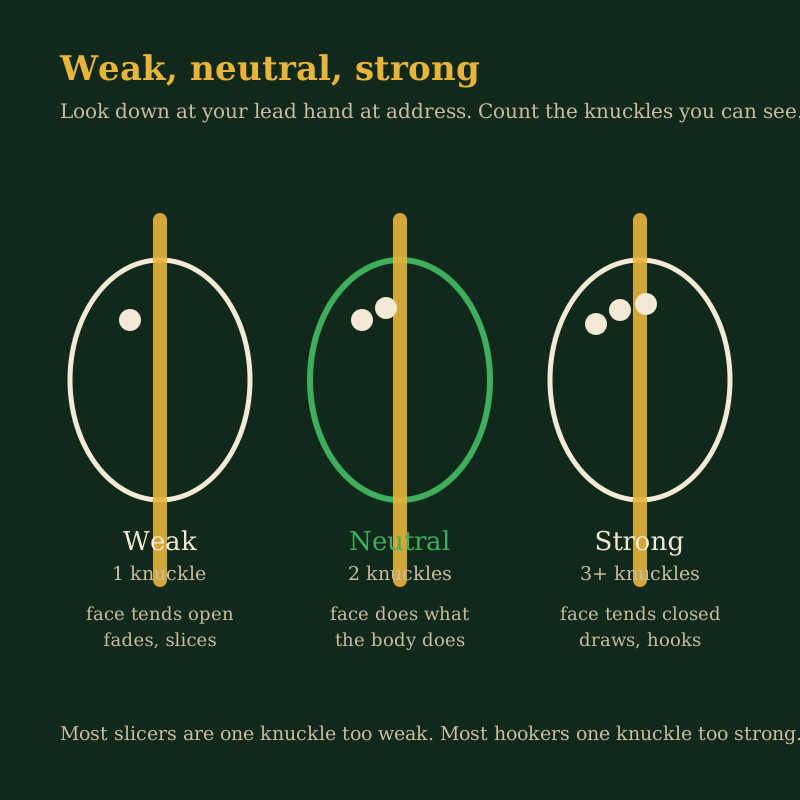
Strong and weak are about position, not squeeze. Look down at your lead hand at address and count the knuckles you can see. One is weak. Two is neutral. Three or more is strong.
A strong grip closes the face through impact, kills the slice, and feels powerful. The bill arrives the day your timing is on and the hooks show up. It also makes it hard to hold the face open for high, soft shots.
A weak grip keeps the face open longer, which is lovely for fades and touch shots around the green. For most amateurs it is a slice waiting to happen.
Neutral means the face does what your body does, no compensation required. The cost is that it exposes every body flaw honestly. That is a feature if you are willing to look.
Most slicers are one knuckle too weak, most hookers one knuckle too strong. Adjust one knuckle at a time. Not two.
3The two hands are not equal partners
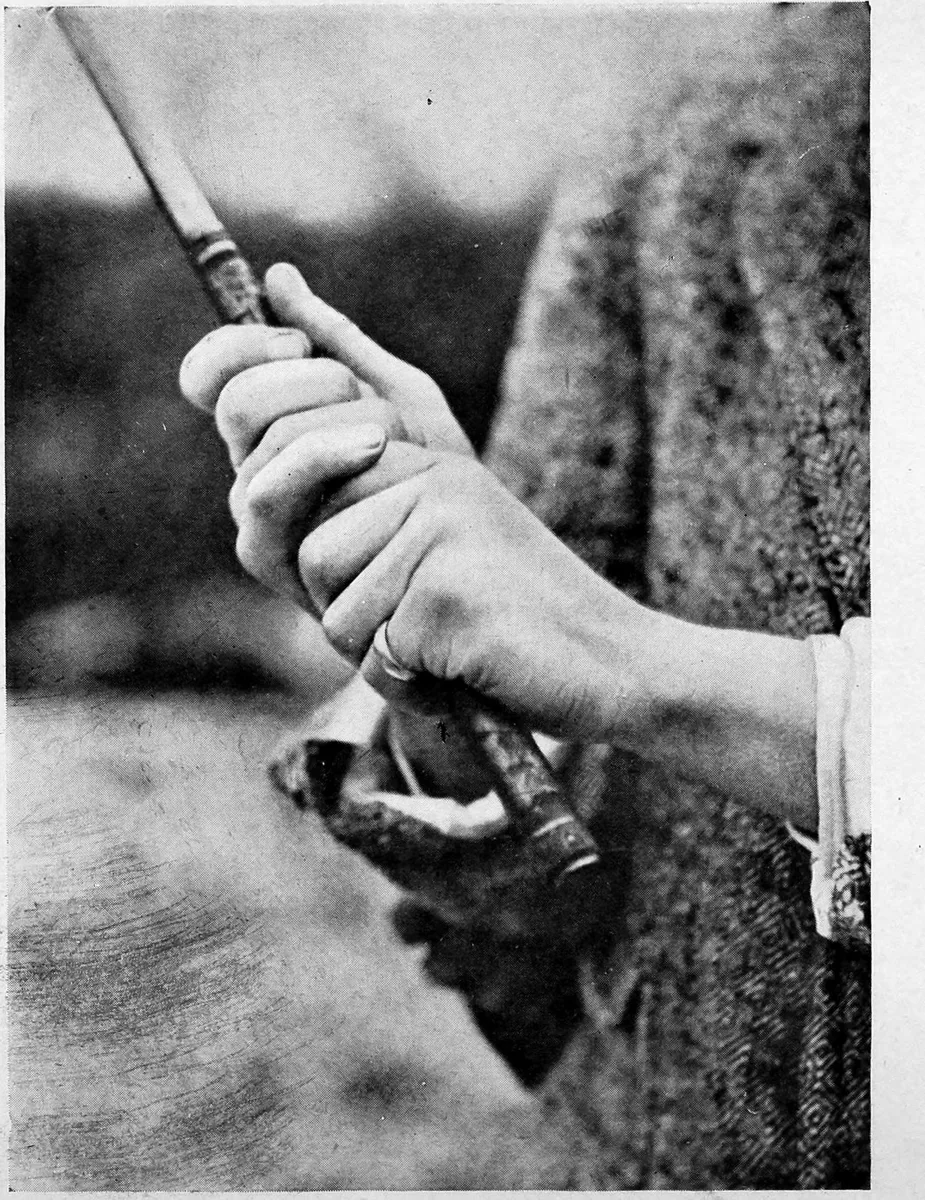
Nobody says both hands must be set identically. Lead hand strong with the trail hand neutral is a legitimate grip. So is the reverse. The mix changes the shot shape.
Lead strong plus trail neutral: the face closes with the body turn, but the trail hand cannot flip it shut. This is the classic anti-slice recipe.
Lead neutral plus trail strong (trail hand more under the shaft): more trail-side power and a rounder release, and the flip is easy. Hooks come fast.
Where the trail hand sits also decides where the club rests. In the fingers you get speed and hinge; in the palm you get control and less hinge. Most people who say they cannot release the club have the trail hand buried in the palm.
If you have never adjusted one hand without the other, you have never actually tested your grip. That is a free experiment. Ten balls.
4Long thumb or short thumb
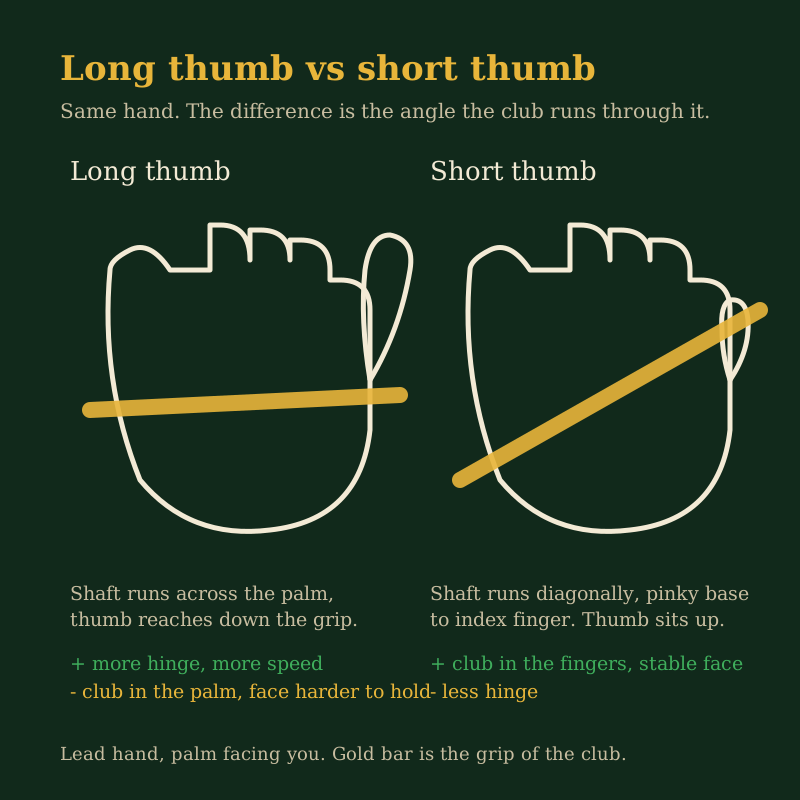
The most argued grip detail, and the least understood. It is not really about your thumb. It is about the angle the club runs through your lead hand, and the thumb just follows.
Long thumb: the club runs across the palm at closer to ninety degrees to the fingers, and the lead thumb extends down the shaft. Vardon, in the photograph, is a long-thumb player and says so in his own text: the left thumb lies straight down the shaft.
Short thumb: the club runs diagonally, from the base of the pinky up to the index finger, and the thumb sits up short, like a trigger finger.
Long thumb gives more wrist hinge, a longer lever, and more speed for many players. The costs are that the club sits more in the palm, the face is easier to lose at the top, and thumb and lead-wrist strain is real.
Short thumb keeps the club in the fingers, gives a more stable lead wrist at the top, and makes the face easier to control. The cost is less hinge, and players who love long-thumb power feel like they lost a gear.
Traditional instruction leans toward the club in the fingers with a shorter thumb. Plenty of long hitters ignore that entirely. Test both on a launch monitor: ten swings each, same club, watch club speed and face-to-path together. If speed goes up and dispersion goes up, that is the long-thumb bargain. Decide with your own numbers.
5Grip pressure
On a scale of one to ten, where one drops the club and ten is white knuckles, swing at a four. Maybe a five with the driver.
The field test: if your forearms are tired after a range session, you were swinging at an eight. Tension is the slowest thing in golf, and it hides in the hands first.
The launch monitor will show it as club speed that will not climb no matter how hard you swing. Loosen the hands one notch and watch the number move without any other change.